Start with the garment, not the hanger
Every hanger decision begins with what hangs on it. Map your assortment first, then specify hangers per garment group.
- Heavy tailored pieces (suits, coats) need broad-shoulder wooden or laminated hangers that protect the shoulder line
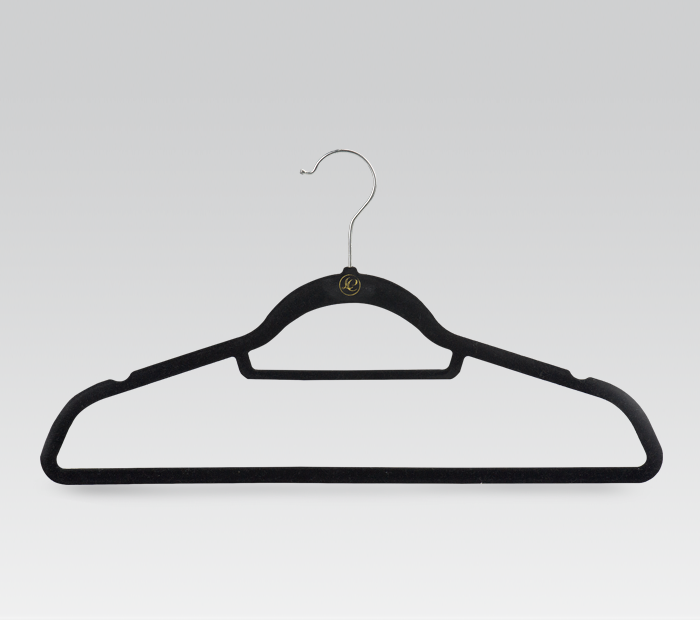
- Everyday shirts and knits work on slim plastic or velvet hangers
- Delicate items — silk, lingerie, fine knitwear — belong on padded satin or fabric hangers
- Childrenswear needs correctly scaled kids and baby sizes, not folded adult hangers
Rail density vs presentation
These two goals pull in opposite directions. Decide per zone, not for the whole store.
- High-density zones (back stock, sale rails): slim velvet or plastic maximizes capacity
- Feature displays and windows: wooden or acrylic hangers elevate perceived value
- A common split puts premium hangers only where customers actually look closely
Budget allocation and branding
Spend where it shows. Logo application on display hangers builds brand recall; backroom hangers can stay plain.
- Logo engraving or printing is worth it on customer-facing hangers
- Standard unbranded hangers for stockrooms keep the program economical
- Keep the approved specification on file with your supplier so reorders match exactly
Before you request a quote
The more concrete the brief, the faster and sharper the quotation.
- List garment groups and approximate quantities per hanger type
- Note rail or display constraints (space is the usual reason for slim hangers)
- Share brand guidelines if logos or custom colors are needed
- Mention your delivery deadline — store openings drive the schedule